CFDs Trading Draws Interest From Argentina’s Commodity Watchers
Agricultural knowledge and financial trading are increasingly intersecting in Argentina as commodity observers realize they can use their existing skills to trade CFDs. Farmers, agricultural consultants and rural business owners who have spent years watching soy bean planting and wheat futures are now using that expertise to speculate on the price of these commodities without the burden of physical storage or delivery.
This group holds a real advantage over other new entrants when it comes to market knowledge. Someone who has spent years familiar with harvest cycles and weather patterns across the Pampas intuitively understands supply and demand dynamics in a way that people from non-agricultural backgrounds typically do not. A cooperative manager from Pergamino described it as applying familiar concepts and tools in a new context, not as learning something entirely unfamiliar. Agricultural professionals often recognize opportunities when prices in physical commodity markets and related financial instruments move together. Someone who watches soybean prices for other professional reasons may notice that the same price swing benefiting their core business can also create a trading opportunity through a futures contract for difference, adding further value to information they already track. This blend of professional necessity and financial opportunity has drawn traders who care less about inflation, and more about real market skills.
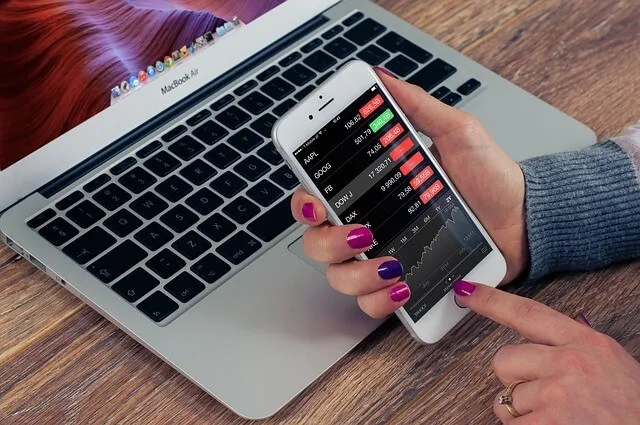
Image Source: Pixabay
The agricultural link is reflected in the geographic patterns of trade, as the volume of CFDs trading is generally higher in the provinces where agriculture remains an important element of the economy. When traders in Santa Fe or Córdoba discuss commodity movements, their conversations reflect direct market experience alongside standard analysis, in a way that discussions among traders in Buenos Aires typically do not.
Some agricultural professionals diversify into CFDs trading as a way to develop a second source of income that can help offset the commodity price risk already present in their core operations. When adding trading positions meant to reduce or enhance this existing exposure, careful design matters, since poorly structured positions can unintentionally increase the very risks they were meant to manage. Financial advisors working with agricultural clients have begun highlighting this nuance, cautioning against continuing the same market exposure by default, without deliberate planning. What agricultural professionals recognize as ordinary seasonal variation often becomes a trading consideration that someone outside agriculture may not notice at all. Someone who knows about planting and harvest cycles can predict times of volatility associated with crop yield reports or weather forecasts, and have more precise entry and exit decisions than technical charts alone typically provide. That seasonality awareness is a real advantage for ag professionals involved in commodity-based trading.
For professionals without extra time to learn an entirely new trading platform, this transition has become more accessible through MetaTrader 5. Mobile access matters particularly to this group, since it allows them to monitor positions during fieldwork without needing to remain at a desktop throughout busy planting or harvest seasons.
The distinction between Argentina’s agricultural professionals who trade CFDs and broader retail trends lies in direct experience. Their trading is a natural extension of skills developed through direct contact with the physical markets that these financial instruments stand for.