What Separates Casual Interest From Real Understanding in Contract for Differences
People often become interested in trading in a very ordinary way. It may begin through a video online, a conversation with a friend, or simply noticing financial topics appearing more frequently on social media and news platforms. Curiosity usually arrives before understanding, and there is nothing unusual about that because most people start by wanting to explore something that seems interesting.
The early stage often feels exciting because everything is unfamiliar. New terms appear constantly, charts seem active and fast moving, and there is always another article or strategy waiting to be discovered. Many people naturally assume that spending more time reading or watching content means they are building deeper knowledge.
However, interest and understanding are not always the same thing.
For many people exploring contract for differences, the difference between casual interest and genuine understanding slowly becomes visible through changes in behaviour rather than through sudden moments of learning. The shift usually happens quietly, and many traders do not immediately notice it while it is happening.
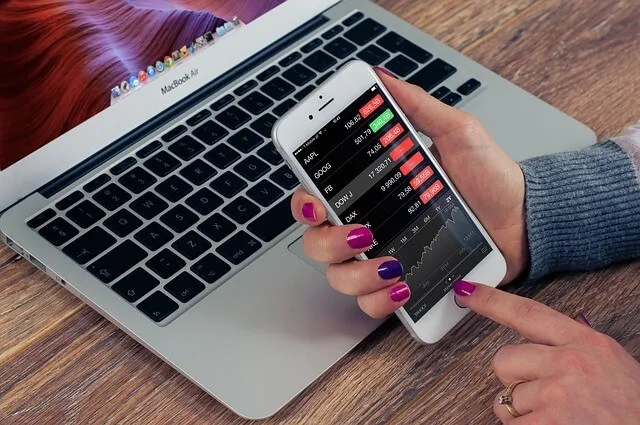
Image Source: Pixabay
Someone with casual interest often focuses heavily on what is happening right now. Attention tends to move quickly from one topic to another because every new piece of information feels important. One week a trader may become interested in chart patterns, and the next week attention shifts toward market predictions or discussions about specific opportunities.
The learning process can start becoming scattered because the focus follows whatever seems exciting at the time.
People developing a deeper understanding usually begin approaching markets differently. Instead of immediately searching for the next interesting thing, they often start asking more thoughtful questions about what they are seeing.
Rather than simply noticing movement, they become curious about the reasons behind it.
They may begin asking:
- Why did the market react that way?
- Were economic factors involved?
- Has market sentiment changed recently?
- Is this behaviour part of a larger trend?
These questions may look simple, but they often create an important change in perspective. The focus slowly moves away from observing movement itself and begins shifting toward understanding what may be influencing that movement.
Another noticeable difference often appears in expectations.
People with casual interest frequently look for quick answers because they expect the market to provide obvious explanations. They may want to know which direction prices will move next or what opportunities currently exist.
People with stronger understanding usually become more comfortable with uncertainty because they begin recognising that markets rarely operate through one simple cause. Several things often interact at the same time, including economic conditions, market sentiment, global developments, and trader behaviour.
This wider perspective changes how information is viewed.
Many traders also discover that learning eventually becomes less about the market itself and more about personal habits. They start paying attention to patience, discipline, and decision making because they realise that understanding charts alone does not automatically create stronger trading behaviour.
For people learning contract for differences, genuine understanding often develops gradually rather than dramatically. It usually starts when curiosity grows into observation, and observation slowly turns into experience that feels connected rather than random.